What do “folk trails” teach us?
Translation of an article by Tom Hulme
When we develop a new product, service or business, the only way to evaluate its quality and the quality of its design is to see how it is used in the real world, in context.
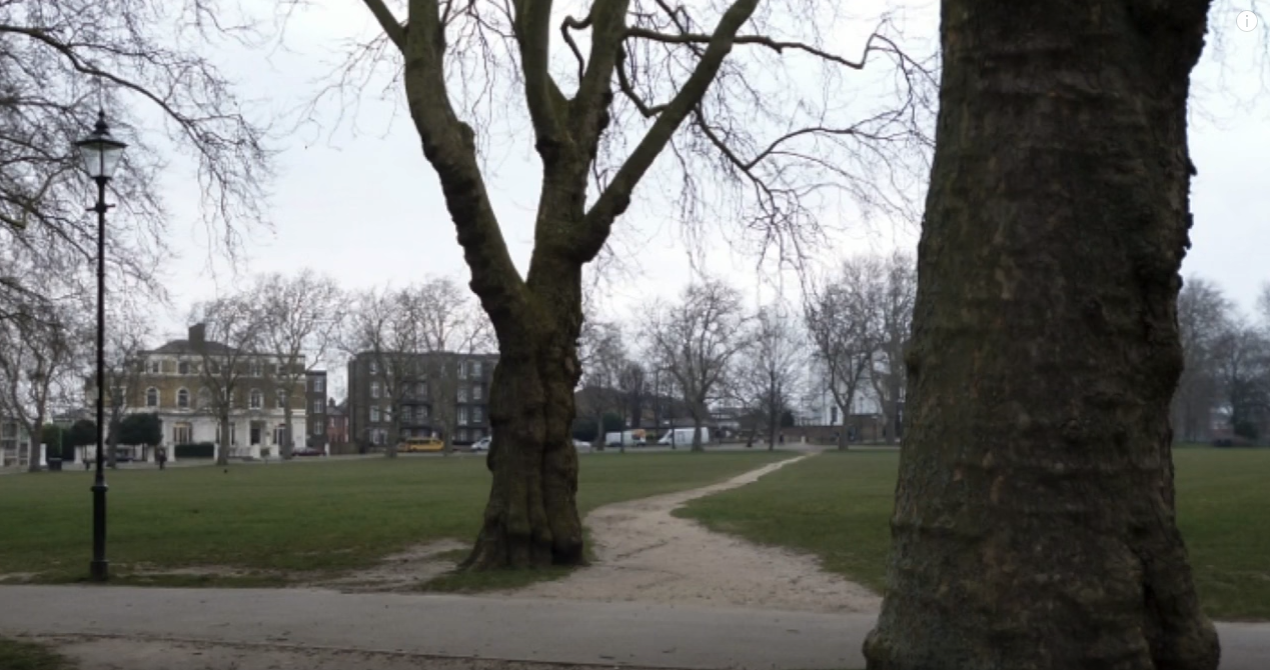
I always think of this when I walk past Highbury Fields in north London.
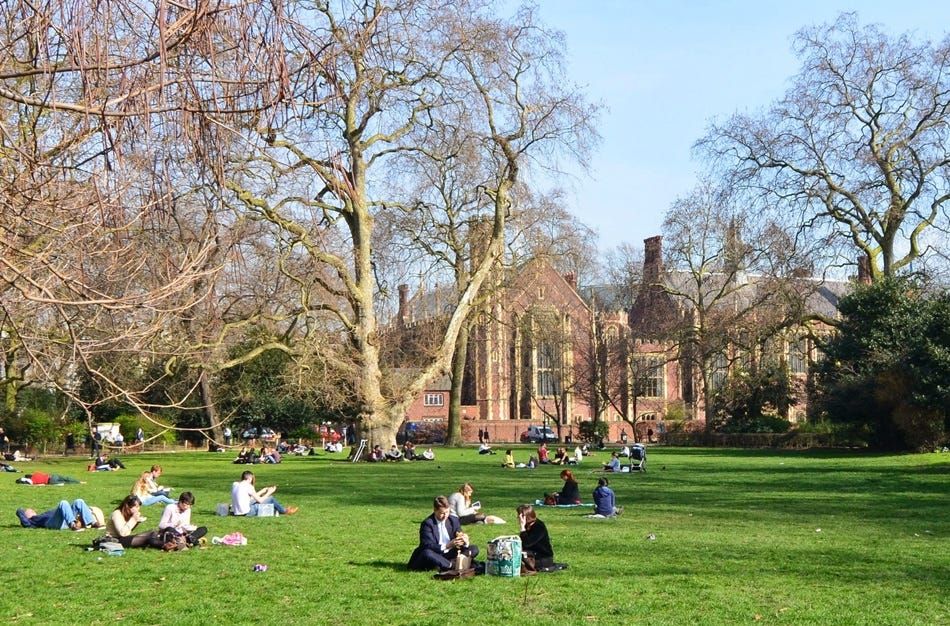
It's wonderful there:
large green area
surrounded by Georgian buildings.
But there is a path trodden in the middle of the lawn.
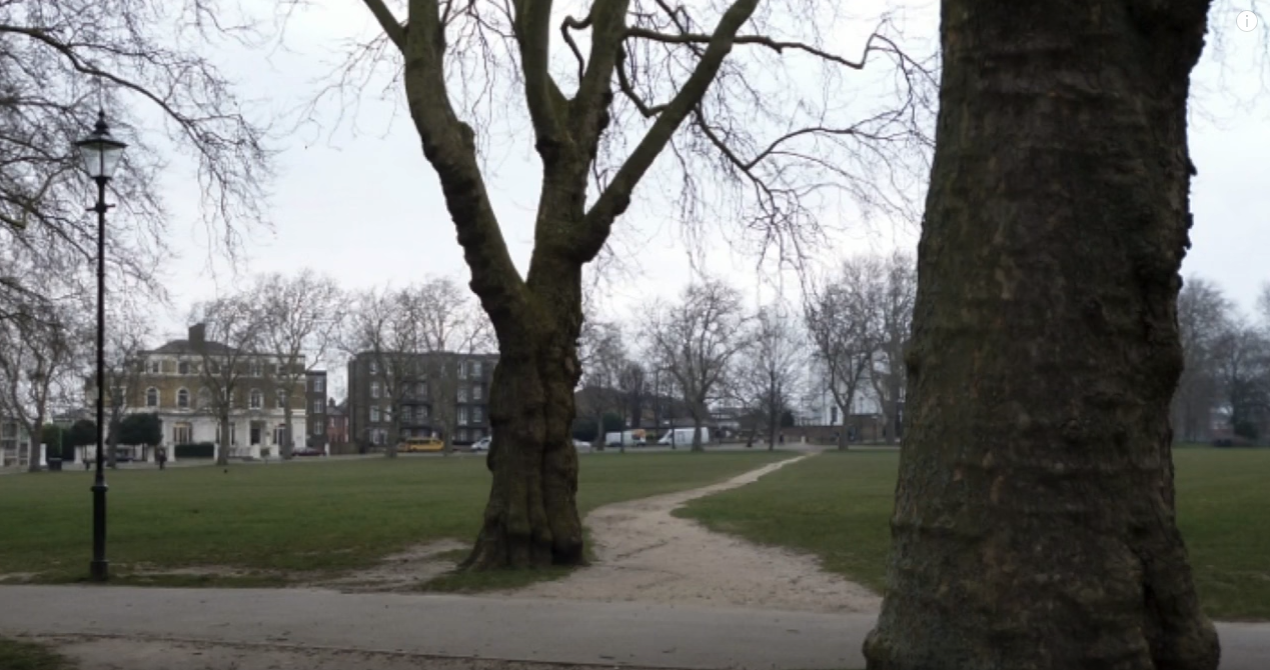
Obviously, people don't want to walk all the way around the edge.
On the contrary, they want to take shortcuts
and therefore the path does not become overgrown.
This path is called the “folk trail”
This is usually the path of least resistance.
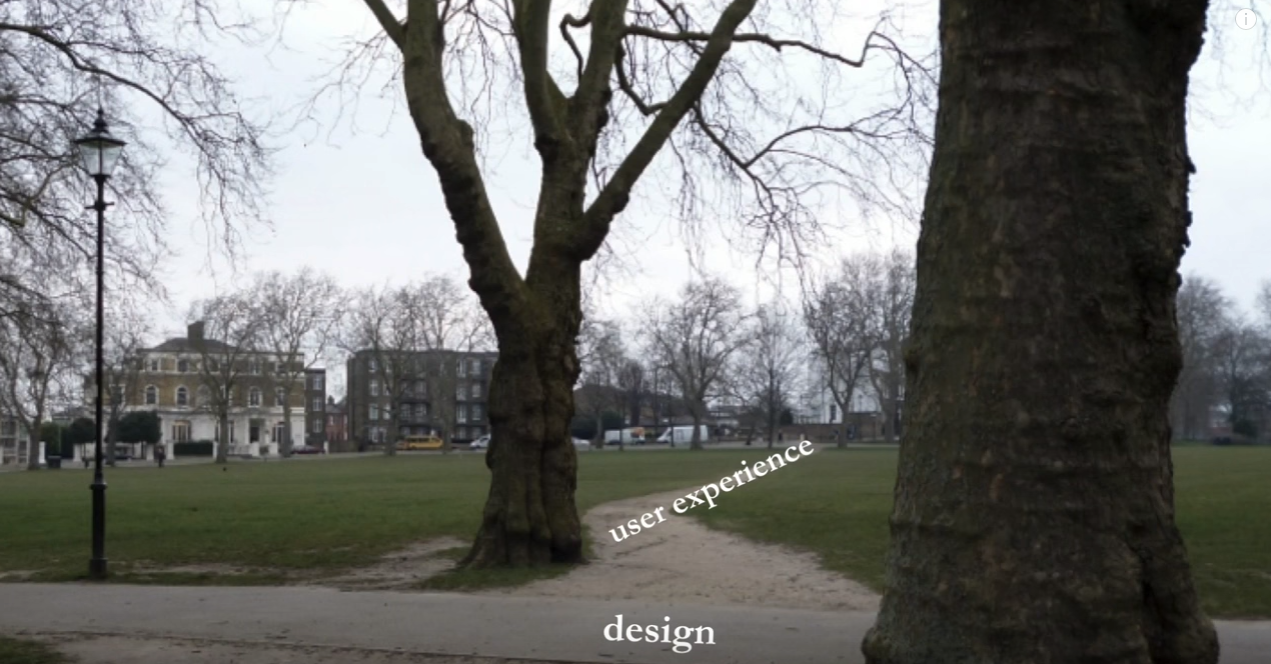
I'm interested in these trails
because these are the places where the design diverges from the user experience.
I must apologize here, since you will now see such examples everywhere.
Today I'm going to give three interesting examples
and share with you what they have in common with the launch of new products and services.
The first example is Brasilia, the capital of Brazil.
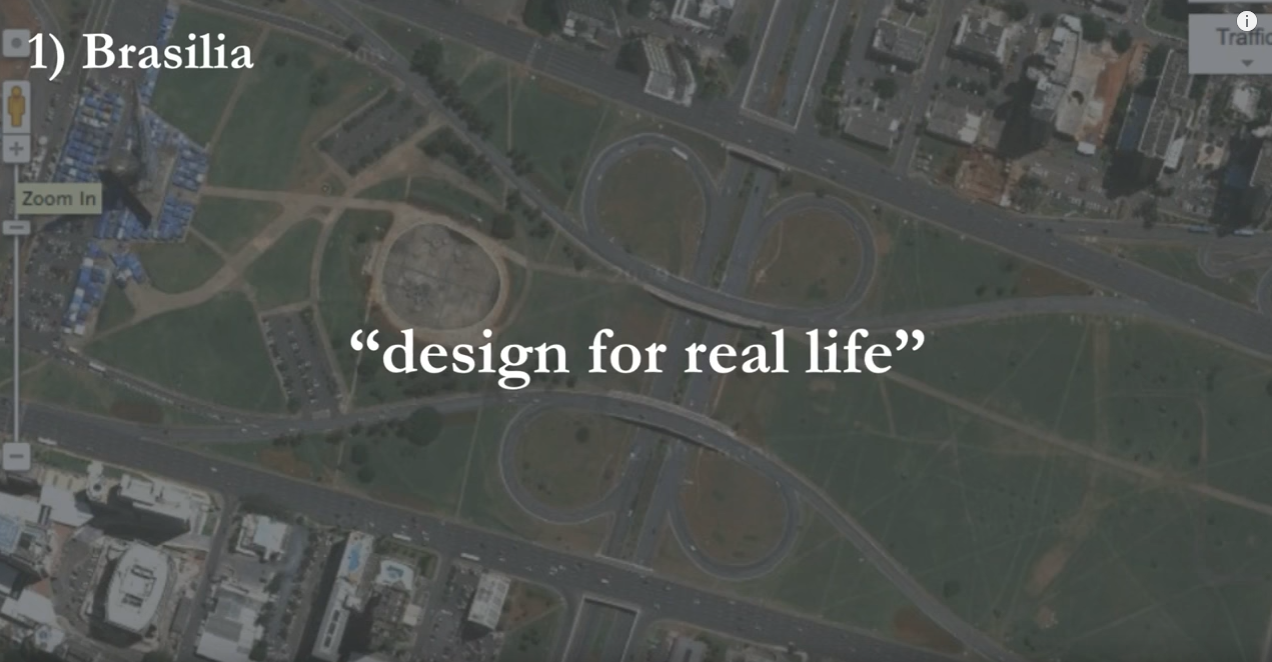
She reminds me that sometimes
you just need to focus on designing for specific needs
with minimal resistance.
Brazilia is devastating.
It was designed by Niemeyer in the 1950s.
This was the “golden age” of aviation!
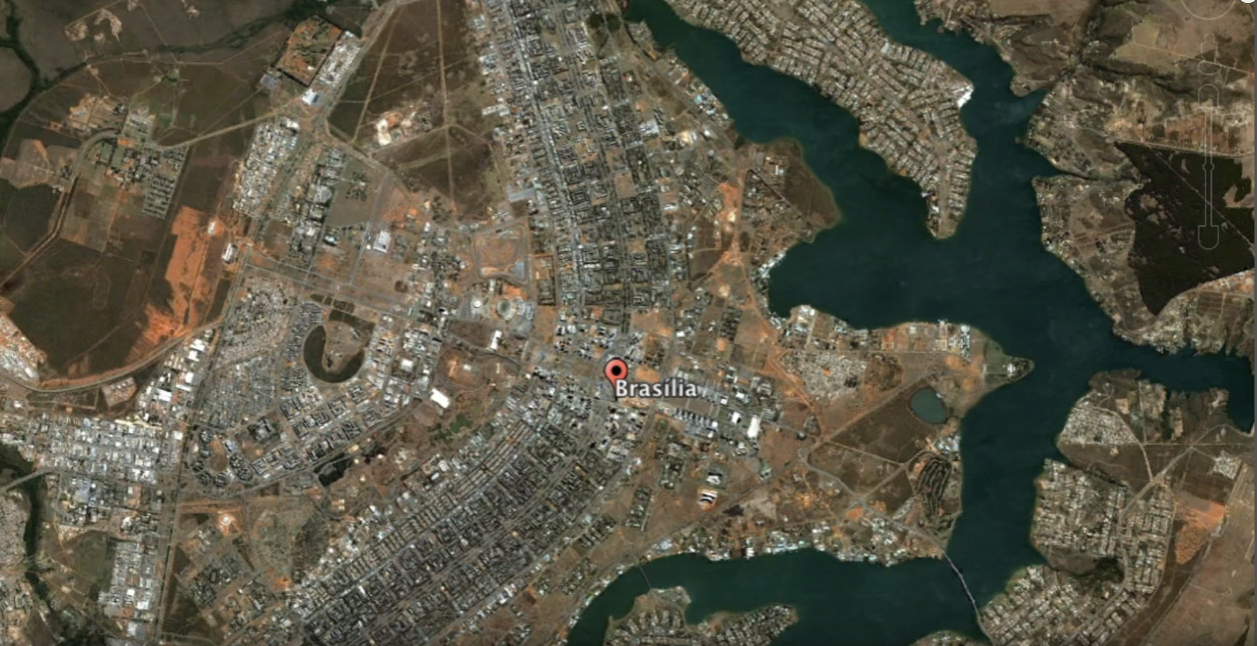
So, as you can see, he planned the city in the shape of an airplane.
Without hesitation, he placed the most important government buildings on the site of the pilot's cabin.
But if you zoom into the city center
(where the mark is)
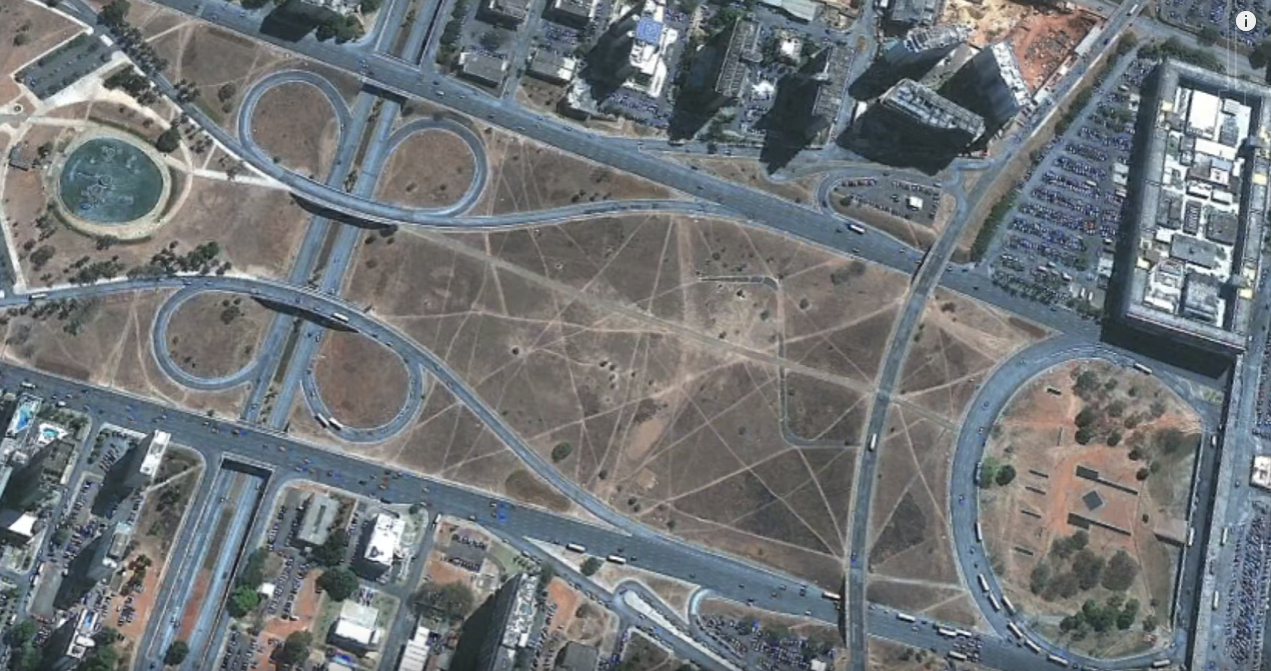
then you can see continuous “folk paths”
They are everywhere.
It was assumed that the layout was made with the future in mind.
We thought that in the future we would not need to walk, since everyone would drive, so paths and paths were practically unnecessary.
But, as you can see, there is a need for them.
Such “folk paths” are very dangerous.
If you take one in the middle
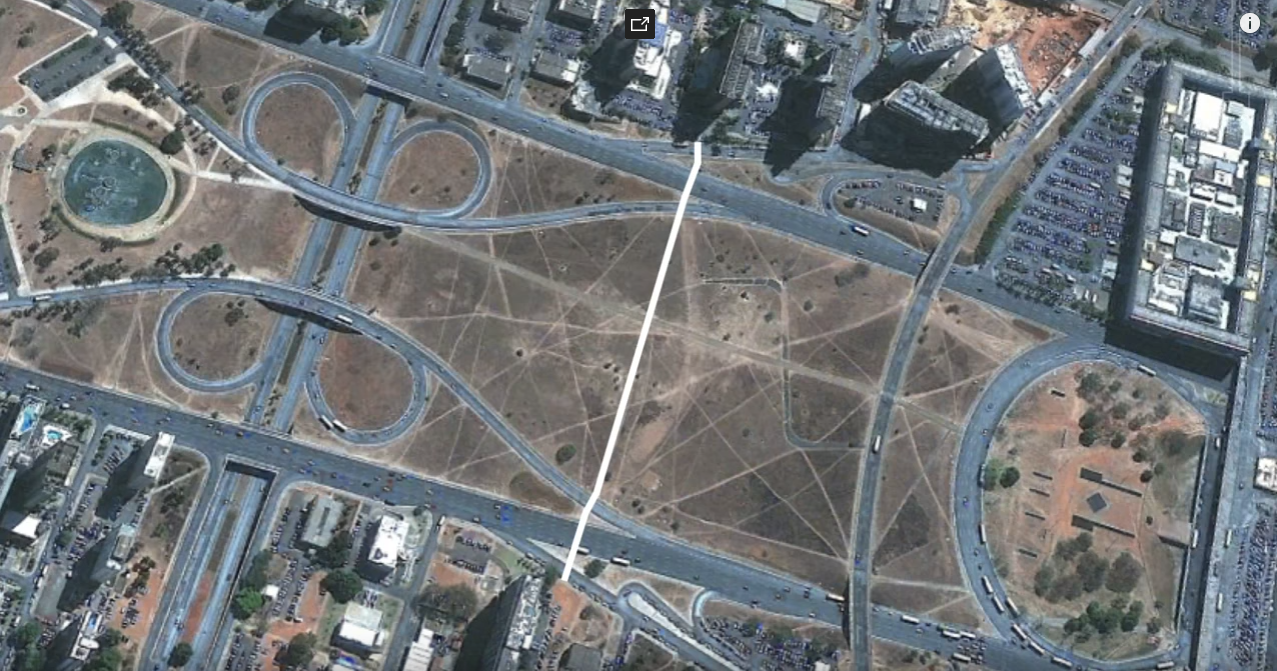
It can be seen crossing 15 lanes of traffic.
Not surprisingly, Brasilia has a pedestrian accident rate five times higher than the average for U.S. cities.
People are resourceful. They always find the path of least resistance to save money and time.
Not all “folk trails” are dangerous.
I remembered this on the way here when I was at Heathrow airport.
Many of us find it frustrating having to walk between duty-free shops.
I'm surprised how many people abandon the long, winding path on the left and simply take the shortcut on the right
along the "folk path"
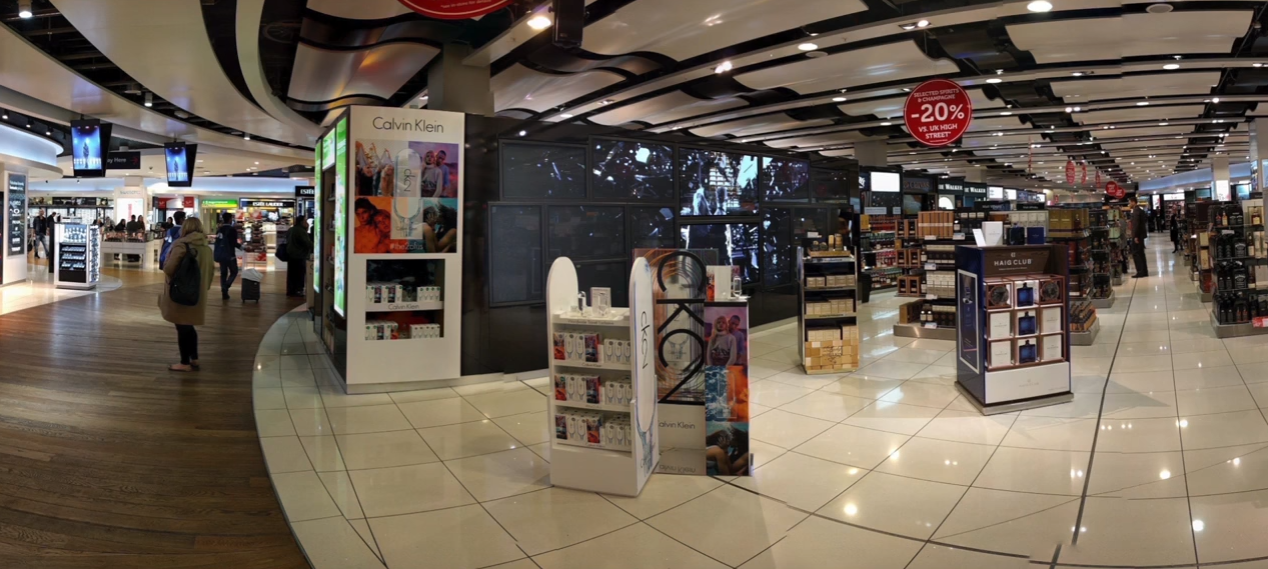
Interesting question:
What do designers think about when they see this kind of human behavior?
Do they think we're stupid?
Do they think we're lazy?
Or do they agree that this is the only true path?
This is their product.
We are essentially participating in the development of their product.
The job of design is to respond to real needs as naturally as possible, because if you don't do it, the consumer will.
The second example of a “folk trail”
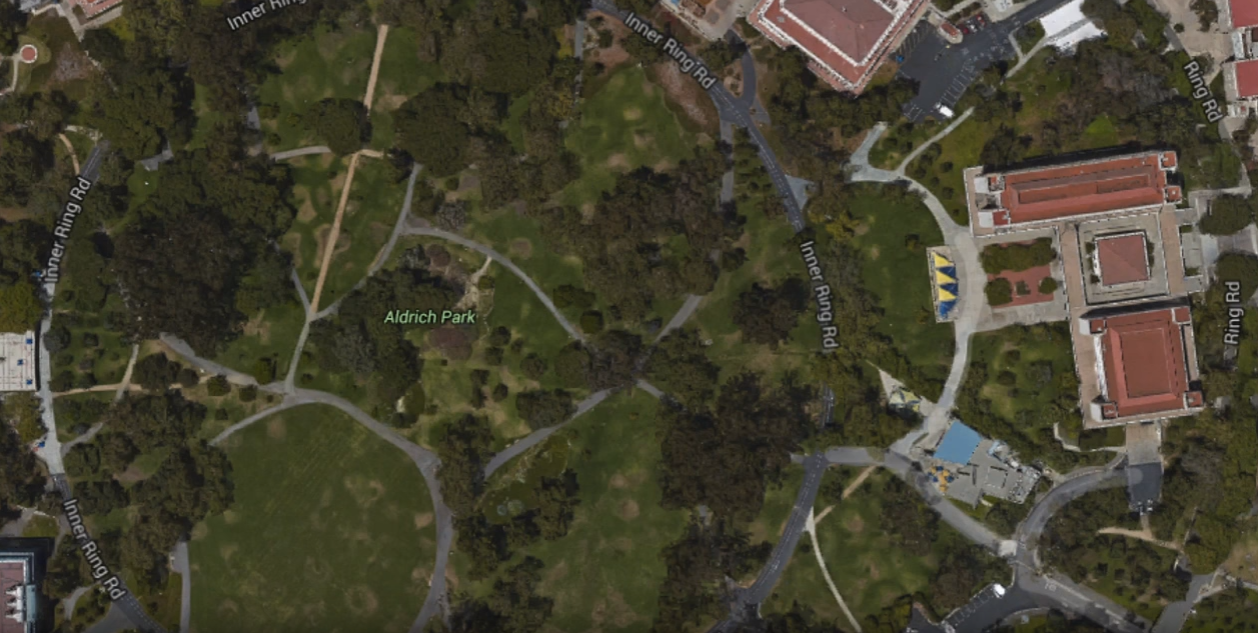
can be found at the University of California.
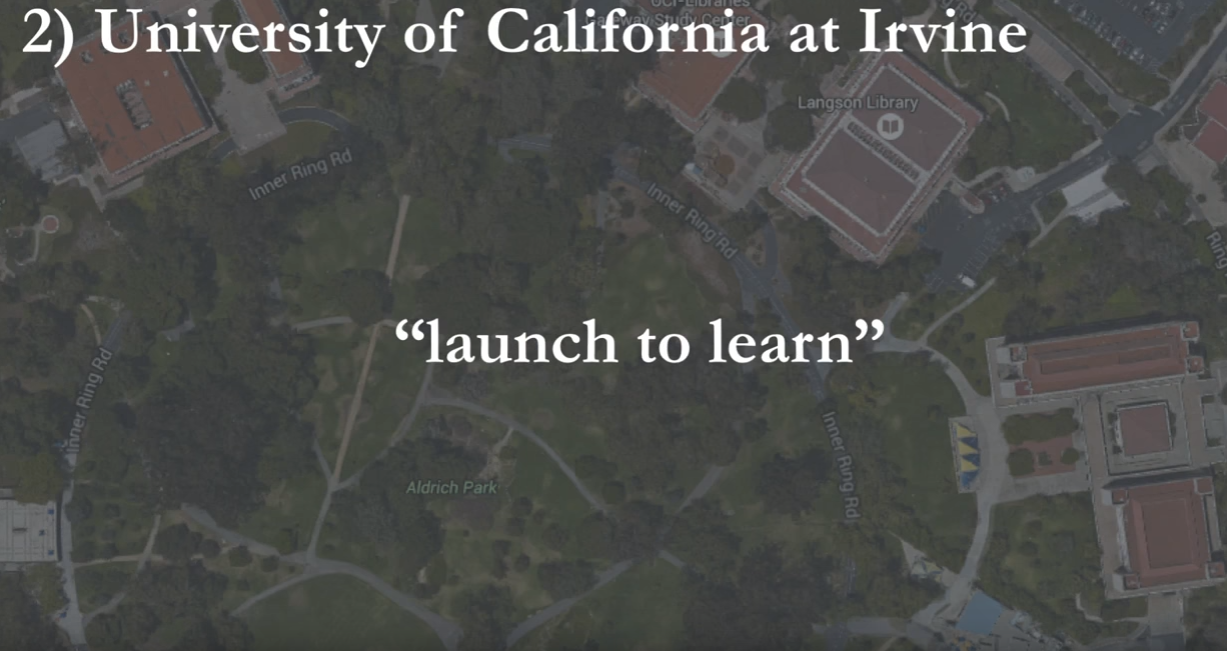
He reminds me that
sometimes the best way to come up with a cool design is to just run it.
Folk trails are easiest to find on university campuses.
I think it's because students are smart and always late.
They rush to lectures and always find the shortest route.
In this case, the designers knew this, so they built the buildings and then waited a couple of months for the paths to form.
After which they paved them.
Incredibly smart.
Indeed, often running a trial service can provide insight into what people really need.
For example, Air Muir from Boston wanted to open a restaurant.
But where should it be placed?
What should the menu be?
He launched
mobile restaurant
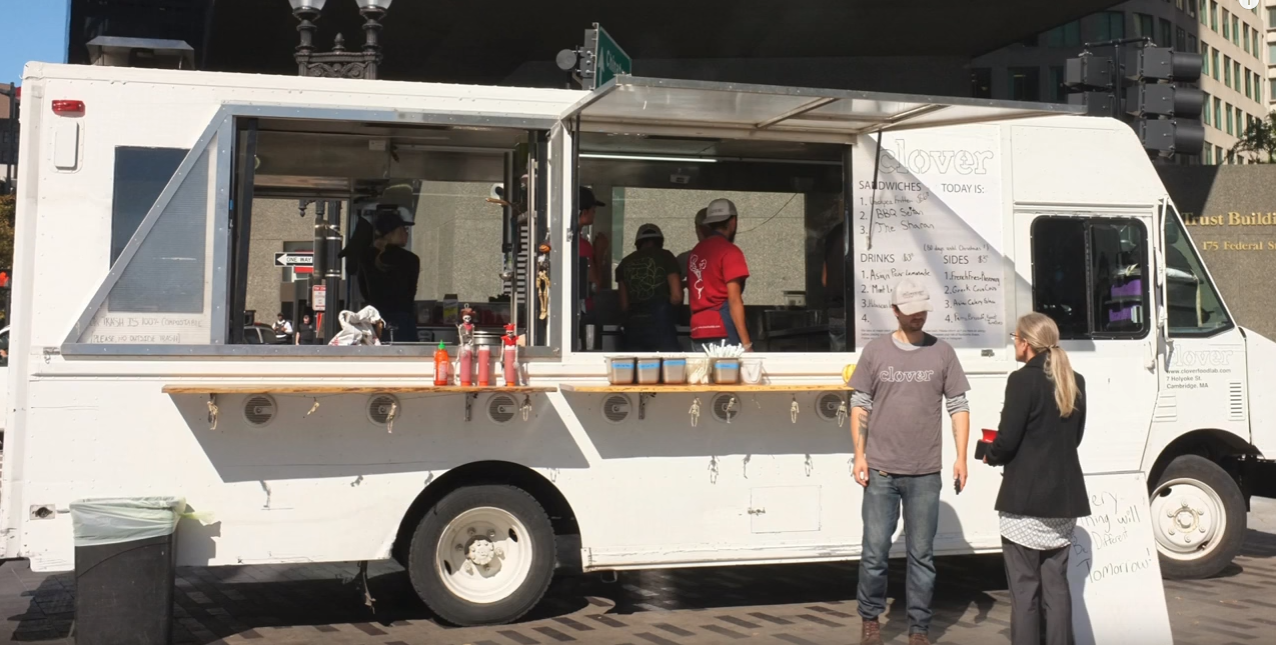
and changed its location every day.
He wrote different menus with a marker on the board,
to determine what people want.
Now he has a chain of restaurants.
That is, a test run in order to identify “folk trails”
can be very effective.
And finally, the third example of such a “folk trail”
American National Institute of Health.
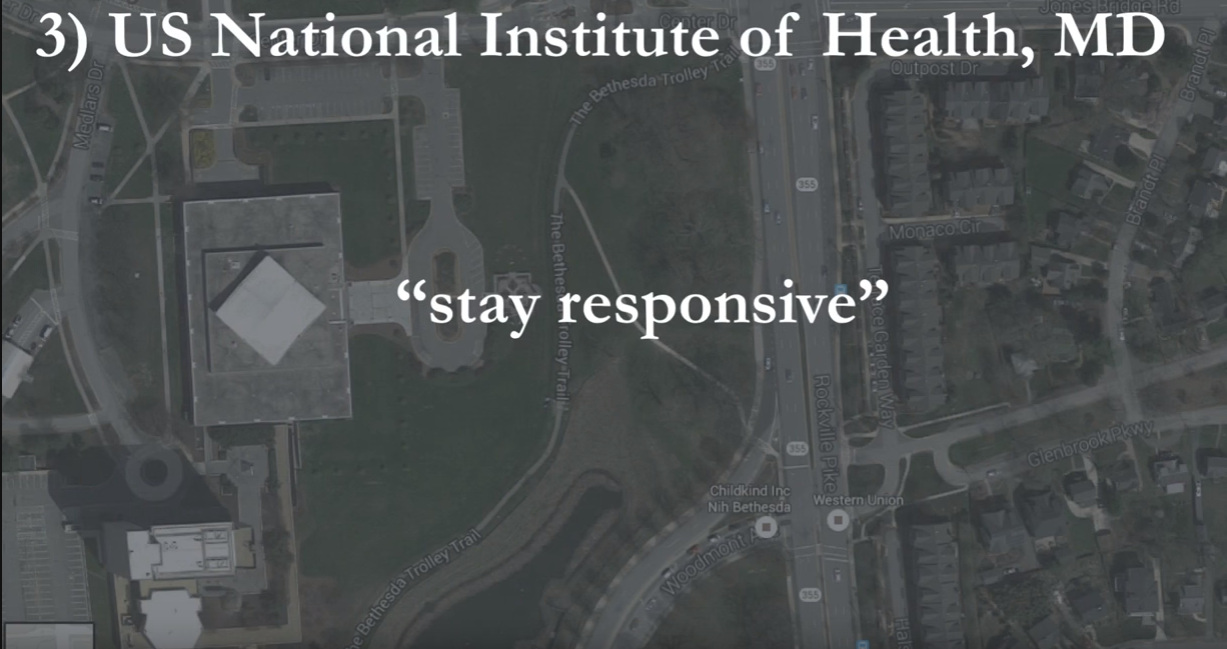
It reminds me that the world is constantly moving
and we must respond to these changes.
As you guessed, this is a hospital.
I have marked the oncology department for you on the left.
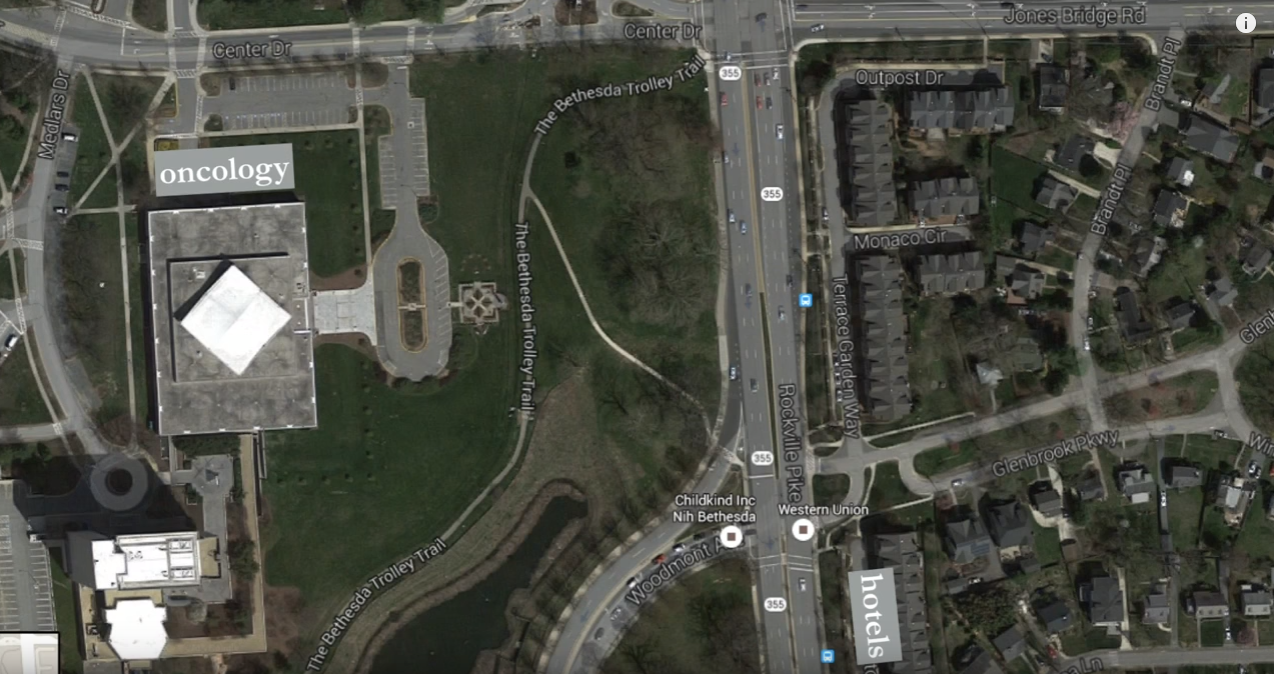
Patients usually stayed in the hotels on the lower right.
They cared for patients here, so they offered them cars.
But when chemotherapy began, it turned out that patients rarely wanted to get into the car.
They felt sick, so they walked to their hotels.
A “folk trail” has formed, which you see diagonally.
Patients even gave it the name “Trace of Chemo.”
When the hospital saw this path, they at first tried to ignore it and cover it with turf.
However, after some time they realized that this was important for patients
and this need must be satisfied, so the path was paved.
I think that often our task is simply to formalize already laid “paths”
If we look at North London again,
then we will see that the “path” was not always there.
She appeared when on match days
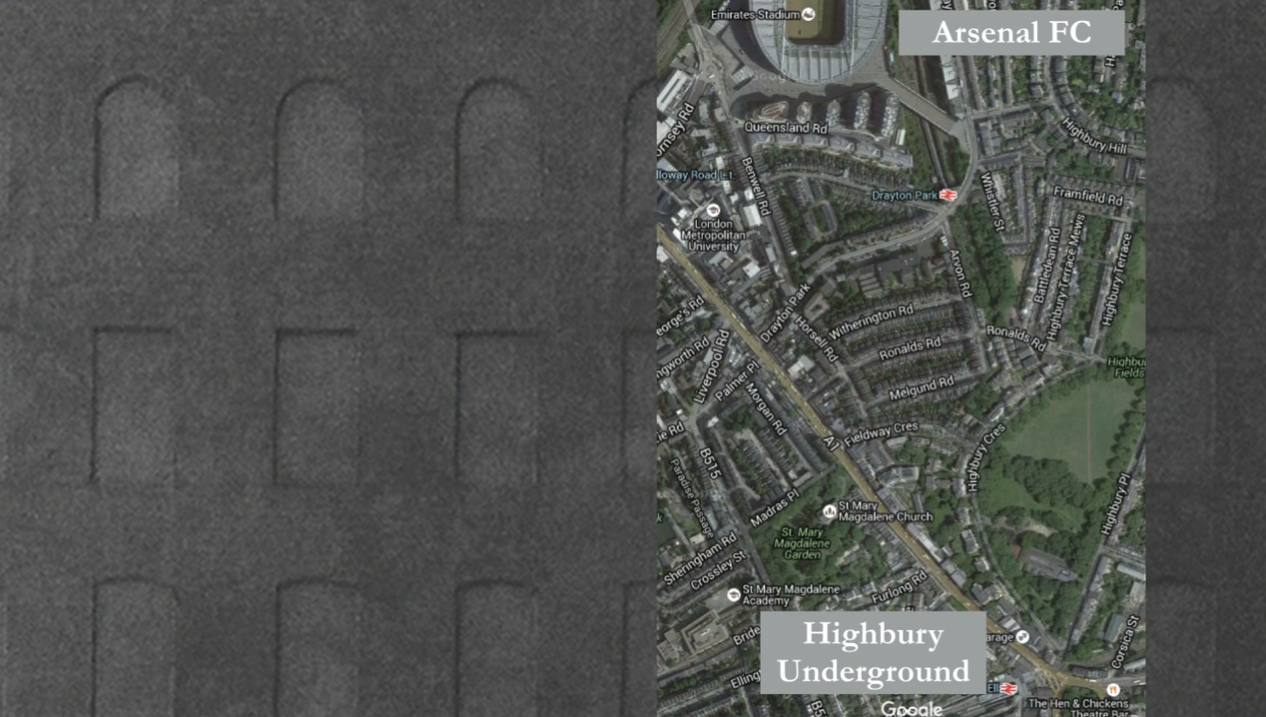
people walked to the huge stadium of the Arsenal football club
from the metro station you see below on the right.
This is a “folk trail”
If we go back a few years ago, when the stadium was just being built, there was no “trail”
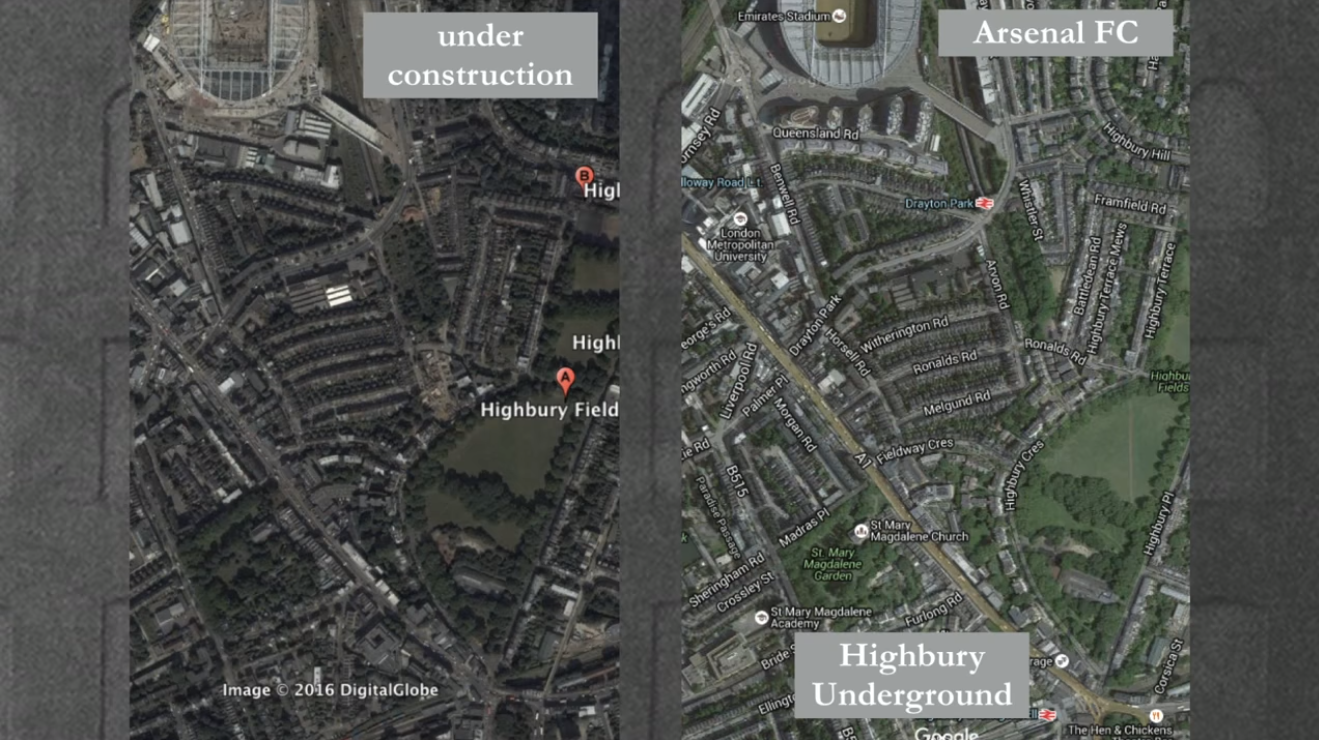
Therefore, our task is to monitor the emergence of such “paths” and, if appropriate, pave them, as was done here.
Someone installed a barrier, and, as you can see, people began to walk around it, then the path was paved.
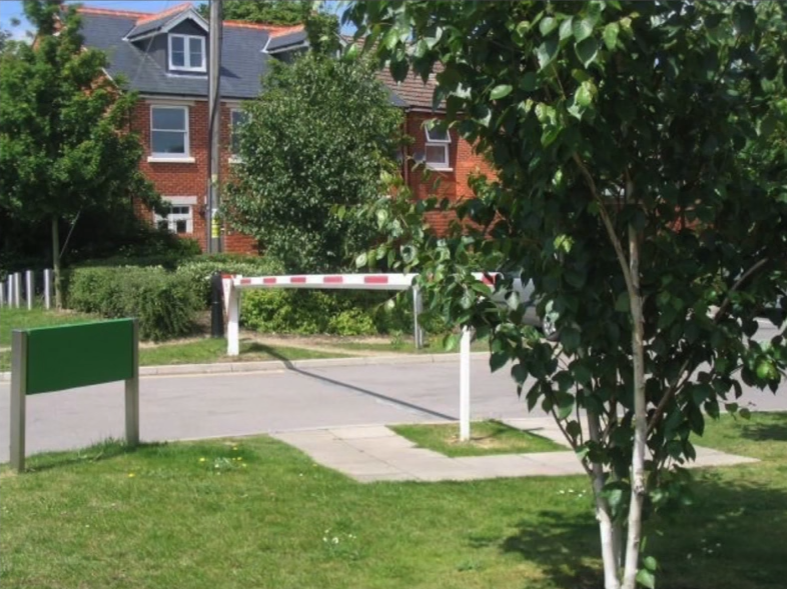
This is an amazing example that reminds us that the world is truly moving.
It is constantly changing, and if you look closely at the photo, you can see a new “trail” being formed.
These three examples of “folkways” remind me that we must design for specific human needs.
I think paying attention to what customers want best determines the success of a business.
Design for specific needs along the path of least resistance, because if you don't offer it, someone else, often the client, will. Second, often the best way to identify a need is to launch a service.
The answer can rarely be found while sitting in the office.
Go out and see what others want.
Finally, partly because of the level of technology, the world today is incredibly dynamic. It is constantly changing.
“People's trails” will appear faster than ever before.
Our task is to track and cover them.
Thank you very much!