Review of the novel "Psychosis" by Robert Bloch
Stuffed squirrel
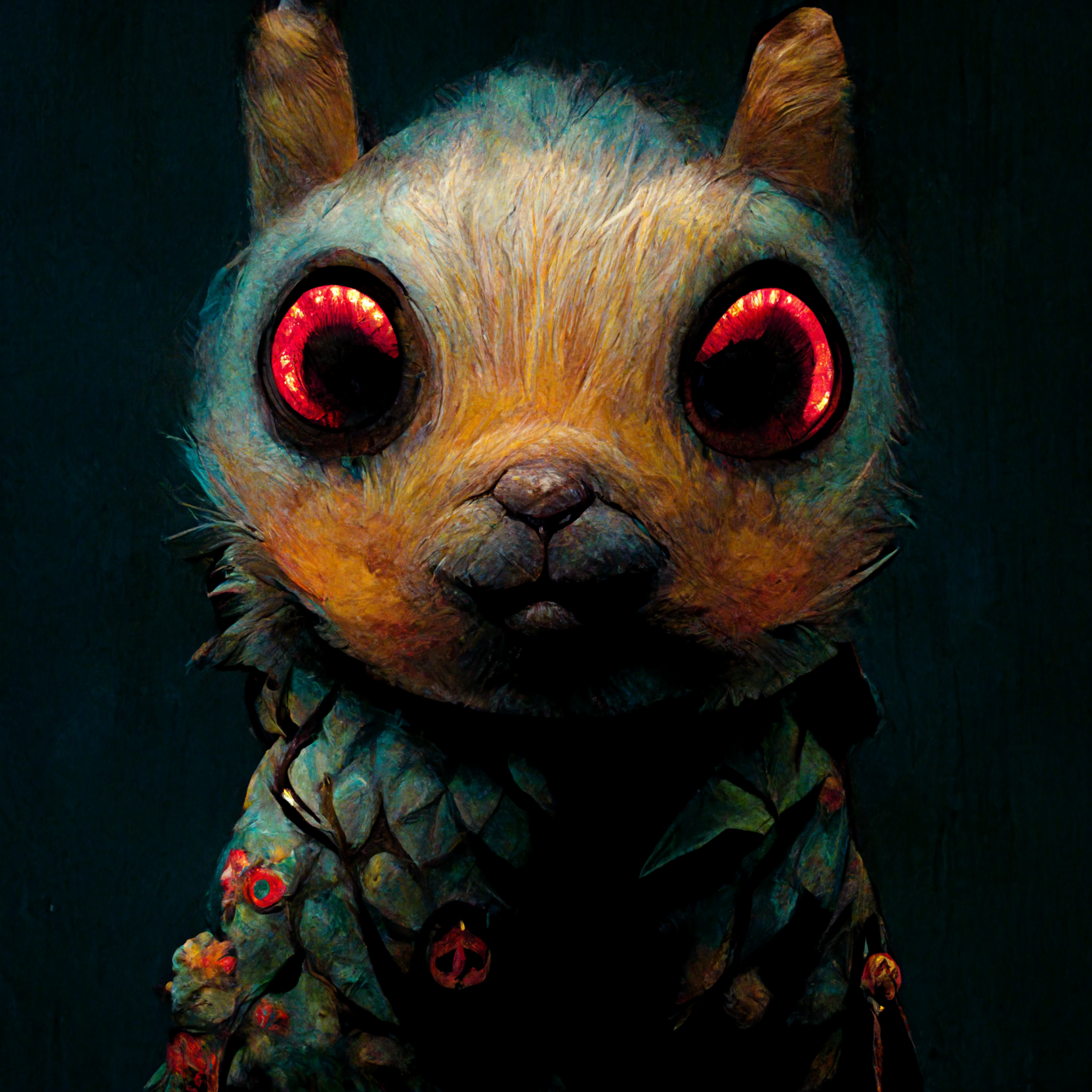
She found where the light turned on, and then her breath caught in her throat at the sight of a tiny, furry creature crouched on the shelf in front of her, as if about to pounce. But it was just a stuffed animal, a stuffed squirrel, whose button eyes glowed lifelessly, reflecting the light from the newly lit lamp.
I read a classic American thriller here
The work of Robert Bloch, which the author himself called Psycho,
it was translated into Russian as Psychosis.
Alfred Hitchcock made the film Psycho based on it.
it was translated into Russian as “Psycho”,
and they recommended him to me as “The Stuffed Squirrel.”
And I completely agree with this title.
There are spoilers here, so be careful.
I found three different editions, in the end the most adequate was the one listed as published by arrangement with Simon and Schuster, Inc.
In one of the reprints, the first chapter is called "Stuffed Squirrel" but essentially the entire novel bears this title.
I have read few American works,
but from here, of course, many legs grow at once.
At least, having read the original from 1960 to the end, I was able to count about 5 derivatives of this plot, which are also considered bestsellers.
This little boy just loved making stuffed animals out of animals killed by other people and hiding them in his basement.
Honestly, until the end of the book I couldn’t decide whether this mother really existed or not. But when I started watching Hitchcock’s film, I realized that these are completely different works. The book contains portraits and descriptions of Bates' mother.
He had to protect her, and he had to protect others.
1. Mary could have survived 🔪
Almost the entire book consists of the characters’ reasoning, thoughts and ideas that they scroll through their heads. Mary, having arrived at the motel, hides the money in the car, after dinner with Bates in the kitchen of the house (where she sees a stuffed squirrel), he accompanies her to her room,
and he goes to get drunk on whiskey in his office 🥃
In the room the girl thinks:
Suppose she got herself some sleep, a good long ten hours of sleep.
Tomorrow was Sunday; if she left here about nine and drove straight through
she could be back in town Monday morning, early. Before Lila arrived from Dallas, before the bank opened. She could deposit the money and go on to work from there.
Sure, she'd be dead tired. But it wouldn't kill her, and nobodywould ever know.
There was the matter of the car, of course. That would take some explaining, for Lila's benefit. Maybe she could tell her that she'd started out for Fairvale, intending to surprise Sam over the weekend.
The car broke down and she had to have it towed away--the dealer said it would need a new engine, so she decided to junk it, take this old heap instead, and come
back home.
Yes, that would sound reasonable.
Of course, when she figured everything up, this trip would actually cost about seven hundred dollars. That's what the car had been worth.
But the price was worth paying. Seven hundred dollars isn't too much to pay for one's sanity. For one's safety, one's future security.
Mary stood up.
She'd do it.
Suppose she managed to get enough sleep, sleep for ten long hours.
Tomorrow will be Sunday; if she left here around nine and drove straight to town, she could be back early Monday morning. Before Lila arrived from Dallas, before the bank opened. She will be able to deposit the money and continue working.
Of course she will be dead tired. But it won't finish her, and no one will ever know.
Of course, there was still the question of the car. I'll have to explain some things to Lila. Maybe she could tell her that she had gone to Fairvale with the intention of surprising Sam this weekend.
The car broke down and she had to have it towed - the dealer said it would need a new engine, so she decided to junk the car and take this old junk and drive it home.
Yes, that sounds reasonable.
Of course, when she did the math, it turned out that the trip would cost about seven hundred dollars. That's how much the new car cost.
But the price was worth paying. Seven hundred dollars is not a very high price to pay for sanity. For your safety, for your future.
Mary stood up.
That's what she'll do.
This is where I caught David Lynch's funnel...
When, on the one hand, the girl is already dead, because she ended up in the Bates Hotel (a locked cell according to Hitchcock).
On the other hand, if she had not taken this money, none of this would have happened.
There is a feeling that the heroine is being punished for inconsistency of decisions, if she had not changed her plans, perhaps she would have remained alive.
By the way, the film very poorly shows the motives that prompted Mary to leave her “beloved” job and how she got the job.
Literally one chapter, but it adds a lot of context to the relationship between the two sisters.
Fairvale - (Fairy Tale) a fairy-tale town. In the Hitchcock film, a fairytale island came from somewhere (they say Mary didn’t tell Bates where she was going)
The clue Sam and Lila find in the room №1 No. 6 becomes piece of paper earring 🤦
2. Money is just an excuse 💵
A very interesting and exciting plot built around money
$40,000 sank into a dark, seething, enveloping quagmire.
At the same time, if not for the money, the company would not have hired a detective and they would not have looked for Mary at all. Murder is not for money and a murderer does not need money.
3. Doubles
When Sister Mary comes to Sam, he rushes to her with kisses and hugs. Bates also says when he sees Lila
She'd come back, out of the swamp!
Original picture: open source
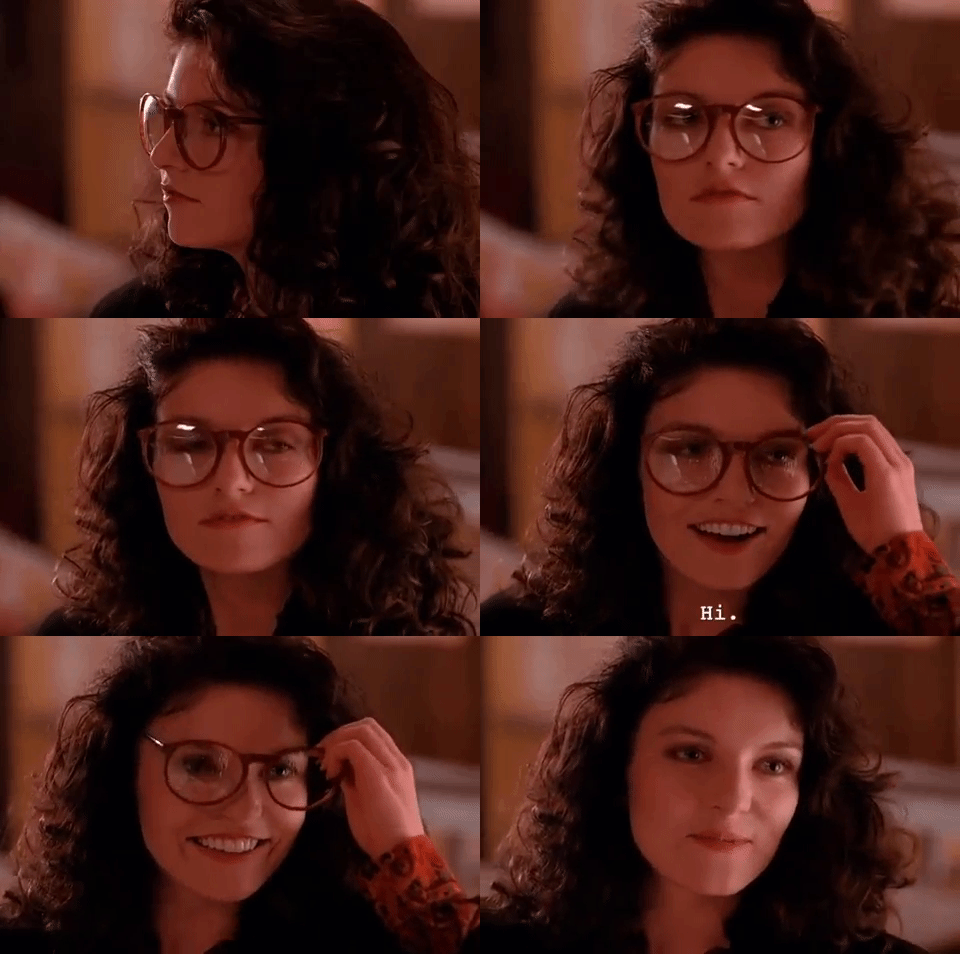
4. Revealing the theme of one character through the thoughts of another
On the way to Sam, Mary planned how he would react to money. Then we see from Sam’s thoughts that he would not accept them under any pretext.
Mary thought that Sam would ask about his sister, although he didn’t even remember her name.
5. unholy trinity 👹
The huge, simply catastrophic difference between the film and the book is that Hitchcock’s Norman Bates is stupidly Ryan Gosling of the 60s. Nipple boy, self-confident, sociable, hospitable. Because of this, kind 33% the books just sagged. And in the film, the groom’s room with children’s toys and a small bed is not explained at all.
In Norman Bates according to Bloch, 3 personalities 'unholy trinity',
according to Hitchcock there are only two.
Norman the child is a very important part of the hero's portrait, strengthened from a sad childhood.
The main idea of the book
It's actually repeated at least 3 times by Sam and Lila.
Funny, Sam told himself, how we take it for granted that we know
all there is to know about another person, just because we see them
frequently or because of some strong emotional tie. Why, right here in
Fairvale there were plenty of examples of what he meant. Like old Tomkins,
superintendent of schools for years and a big wheel in Rotary, running away
from his wife and family with a sixteen-year-old girl. Who ever suspected
he'd do a thing like that? Any more than they'd suspected Mike Fisher, the
biggest lush and gambler in this part of the state, would die and leave all
his money to the Presbyterian Orphans' Home. Bob Summerfield, Sam's clerk
in the store, had worked here every day for over a year before Sam knew
he'd pulled a Section Eight in service--and for trying to beat out his
chaplain's brains with a pistol butt, too. Bob was all right now, of
course; a nicer, quieter guy you wouldn't find in a hundred years. But he'd
been nice and quiet in the army, too, until something set him off. And
nobody had noticed. Nice old ladies did away with their husbands after
twenty years of happy marriage, meek little bank clerks suddenly up and
embezzled the funds--you never could tell what might happen
It's funny, Sam thought, how often we take for granted what we know about another person just because we see him often or because we have a strong emotional connection with him. But here in Fairvale there were many examples. For example, old Tomkins, who had run the Rotary schools and service station for many years, ran away from his wife and family with a sixteen-year-old girl. Who would have thought that he was capable of this? Just like Mike Fisher, the biggest ladies' man and gambler in this part of the state, died and left all his money to the Presbyterian Orphan Home. Bob Summerfield, Sam's clerk at the store, worked there every day for over a year before Sam learned that while on duty he had received a criminal record for attempting to blow his chaplain's brains out with the butt of a pistol. Of course Bob was fine now; You won’t find a nicer and calmer guy in a hundred years. But even in the army he was sweet and calm, until something pissed him off. And no one noticed it. Dear old ladies leaving their husbands after twenty years of happy marriage, meek little bank clerks suddenly rising up and embezzling money - you never know what might happen.
Funny, how differently things work out in real life. None of us really suspected the truth, we just blundered along until we did the right things for the wrong reasons. And right now, I can't even hate Bates for what he did. He must have suffered more than any of us. In a way I can almost understand. We're all not quite as sane as we pretend to be.
We're all not quite as sane as we pretend to be.
It's funny how differently things work out in real life. None of us knew the truth, we were just fumbling around in the dark until we came to the right conclusions for the wrong reasons. And now I can't even hate Bates for what he did. He must have suffered more than any of us. In a way I can understand him. We are all not as sane as we sometimes pretend to be.
6. Chapter 17 (epilogue)
We know that Norman Bates read a lot of esoteric literature and practiced toxicermy as a hobby. He dug up his mother's corpse and brought it home a month after her death in the hope of reviving her. The epilogue is written through the eyes of a scarecrow who saw all the events, saw all the deaths, but only stood and watched.